920 Woodstock Rd, Roswell, GA 30075

Beyond Sugar & Salt: What Makes Processed Food Addictive?

WELLNESS TIPS & FAQ's
Picture of Elite Health HRT
Elite Health HRT
Est. Reading Time: 6 Mins

Why It's Hard to Stop Eating Processed Food (Even When You Want To)

Have you ever told yourself you’d have just one cookie, only to find yourself halfway through the package? Or grabbed a handful of chips, just to keep reaching back into the bag? 

No judgement! We’ve all been there at some point or another. 

But what makes it seemingly impossible to put the package away? It’s not just because processed food tastes good. It’s designed to be addictive.

Is it that big of a deal? What about moderation? It’s OK as long as it fits within calorie goals, right?

Not necessarily. In this article, we examine:

🔎 What makes processed food so addictive – and why it’s not about willpower.

🔎 How these foods hijack your metabolism, cravings, and hunger hormones.
🔎 Simple steps to break free from the cycle – without relying on sheer discipline.

Contents

The Science Behind Processed Food Addiction

The “Bliss Point” – Why You Can’t Stop Eating

A 1997 marketing campaign for Lays potato chips famously touted, “Betcha can’t just eat one.” The same could be said of any other ‘snack food’ found on the middle aisles of grocery stores. From chocolate M&M’s to Cheezit crackers – the same marketing one-liner holds true.
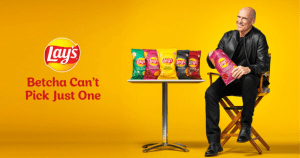
Why is Processed Food So Addictive? - Lays Campaign - Elite Health HRT

But why?

It’s certainly no accident. 

Food scientists use what’s called the “bliss point” (Pubmed), finding the perfect combination of sugar, salt, and fat that:

  •  Lights up your brain’s reward system (so you crave more).
  • Overrides natural fullness signals (so you keep eating).
  • Makes real food seem bland in comparison (so you stay hooked).

Ultra-processed foods are essentially designed to be irresistible, yet unsatisfying

The Big Tobacco Playbook: How Processed Foods Became the New Cigarettes

This might sound like a plot for a bad movie. But did you know that scientists that used to work for tobacco companies also designed processed foods to be addictive? 

Some things are stranger than fiction. 

Daily Mail - Foods Made by Big Tobacco - "Why is Processed Food So Addictive?" - Elite Health HRT

Back in the 1980s, tobacco companies like Phillip Morris and RJ Reynolds acquired food producers like Nabisco, Kraft, and General Foods (UM). With all the legal troubles surrounding tobacco, they needed to pivot -and keep profits rolling in. 

Then, they got to work. But instead of looking for ways to make food more nutritious – they used their methods to make food ‘hyper-palatable. After all, there’s no money in making food satisfying. 

The end result? Just like cigarettes were designed to keep people smoking, processed food is designed to keep people eating.

The 5 Worst Ingredients in Processed Foods That Cause Addiction and Chronic Metabolic Disease

Not all processed foods are created equal. Some contain specific ingredients that hijack metabolism, disrupt hunger hormones, and keep you eating. 

Here are the worst offenders, along with scientific evidence for each:

01 – High-Fructose Corn Syrup (HFCS) – The Ultimate Hunger Trigger

  • Blocks leptin signaling (your “I’m full” hormone), making it harder to recognize satiety.
  • This also spikes insulin faster than regular sugar, leading to fat storage and cravings.
  • HFCS is also linked with both behavioral issues and metabolic issues in children, which is problematic considering that sugar can be classified as addictive (BMJ)
  • Common in: Sodas, fruit juices, flavored yogurts, processed snacks.

02 – Refined Grains (Stripped of Fiber, Designed for Overeating)

  • When refining grain, companies remove parts (which contain fiber and key nutrients) to make the product more shelf stable & palatable
  • Companies then add fiber back to the product and give it a ‘High in Fiber’ label to make it seem healthier, but it doesn’t work the same. 
  • The end result? These products digest as fast as sugar, causing blood sugar spikes & crashes. (Bentham Science)
  • Common in: Bread, pasta, crackers, cereals, pastries (anything that’s not 100% whole grain)

03 – Artificial Sweeteners – Tricks Your Brain & Spikes Insulin

  • Despite having ‘zero calories’, artificial sweeteners still  trigger cravings because your brain expects sugar when it senses a sweet taste. 
  • That’s why you might crave a donut or candy after a diet soda (Springer)
  • Some (like aspartame & sucralose) still spike insulin, keeping you in fat-storage mode. 
  • Common in: Diet sodas, sugar-free snacks, flavored waters, “low-cal” processed foods.

04 – Seed Oils – Inflammatory & Metabolism-Disrupting

  • To process canola oil, it has to be chemically refined with hexane (a chemical used in processing crude oil into gasoline).
  • After it’s processed at high heat, bleached, deodorized, and then recolored with yellow dye – the resulting ‘oil’ is extremely high in omega-6 fatty acids. At high levels, these promote inflammation & insulin resistance.
  • While the American Heart Association’s guidelines state canola oil is ‘heart healthy’ – science  has known for over 25 years that is causes significant inflammation (Pubmed
  • Common in: Fast food, fried foods, salad dressings, processed snacks.

05 – MSG (Monosodium Glutamate) – An Artificial Hunger Booster

  • MSG is a chemical compound that artificially boosts the savory taste of food, making it seem more appealing than it actually is. The problem? There’s actually a few.
  • The chemical overrides signals in the brain that regulate appetite – making you eat more
  • MSG also impairs insulin regulation and promotes chronic inflammation, which increases fat storage and risk of heart disease
  • On top of all that, it disrupts the ‘good bacteria’ in our gut that helps us digest and use food for energy (ScienceDirect)
  • Common in: Fast food, chips, canned soups, frozen meals, processed meats.

How to Break Free From Processed Food Addiction

How about some good news? You don’t have to rely on sheer willpower to fight processed food cravings.

Instead, the goal is to reset your metabolism and hunger signals naturally.

1. Prioritize Protein & Healthy Fats

  • Protein and fat naturally shut down cravings by stabilizing blood sugar.
  • What to eat instead:
    Protein: Grass-fed beef and dairy, pasture-raised eggs, wild-caught fish, USDA organic beans & legumes
    Healthy fats: Avocados, nuts, extra virgin olive oil.

2. Cut Ultra-Processed Foods for 2 Weeks

  • Don’t feel bad about ditching the junk food in your fridge & pantry.
  • Just two weeks without ultra-processed foods can reset your taste buds and cravings
  • Removing artificial flavors helps real food start tasting good again.
  • What to cut: Fast food, packaged snacks, refined grains, artificial sweeteners.

3. Start Paying Attention to How Food Makes You Feel

  • When you remove processed food, you’ll notice:
    Fewer cravings
    More stable energy
    Less mindless snacking
  • Your body will naturally start craving whole foods.

Final Takeaway: Take Back Control of Your Metabolism

Breaking free from addiction to processed foods isn’t about sheer willpower—it’s about understanding how the food industry manipulates metabolism and making intentional choices to reclaim your health.

While it can feel overwhelming to realize how many harmful chemicals lurk in processed foods, there’s plenty of reason to be optimistic. By prioritizing whole, nutrient-rich foods, you can escape the cycle of food cravings, brain fog, and constant fatigue—and start feeling like yourself again.

The best part? You don’t have to do it alone. If you’re struggling with stubborn weight gain, sluggish metabolism, or uncontrollable cravings, it could be due to underlying hormonal imbalances or metabolic dysfunction—and that’s where we can help.

Next Up:

Want to Measure Your Metabolic Health?

At Elite Health HRT, we take a personalized approach to metabolic health, using comprehensive lab work, body composition scans, and a deep dive into your health history to create a treatment plan tailored to your unique needs and goals.

Our personalized treatments = including hormone replacement therapy (HRT), peptide therapies, medical weight loss, and targeted nutraceuticals –  can help:
✔ Balance hormones to optimize metabolism and energy
✔ Accelerate fat loss by improving insulin sensitivity and metabolic efficiency
✔ Reduce cravings by stabilizing blood sugar and hunger hormones
✔ Enhance longevity with science-backed treatments designed for whole-body wellness

You deserve to feel your best. Ready to take control of your metabolism and break free from the processed food trap? Book a consultation today, and let’s get you on the path to a healthier, stronger, and more vibrant life.

Discover more from Elite Health HRT

Subscribe now to keep reading and get access to the full archive.

Continue reading

Which location would you like to visit?

Roswell

920 Woodstock Rd

Suite #240

Roswell, GA 30075

Hickory Flat

6764 Hickory Flat Hwy

Suite #100

Canton, GA 30115