920 Woodstock Rd, Roswell, GA 30075
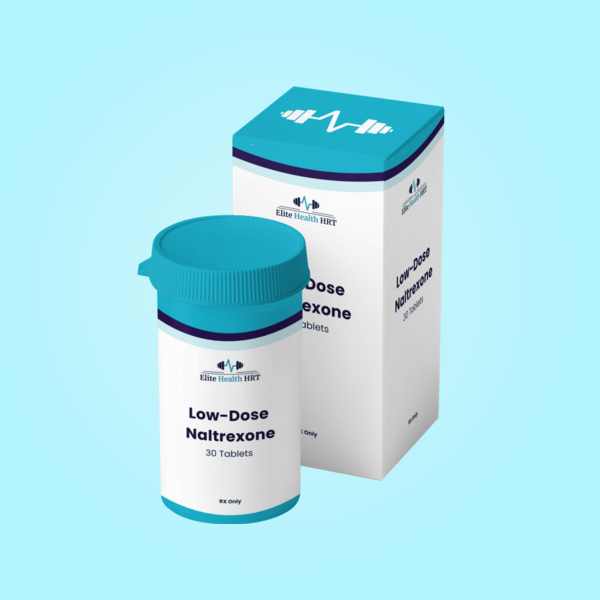
Low dose naltrexone, or LDN, is a nightly tablet prescribed at a fraction of naltrexone’s standard dose. At that low dose it prompts your body to produce more of its own endorphins, which help calm inflammation, settle overactive immune signaling, and quiet chronic pain. Doses start small and move up slowly with your provider.
Walk-ins are also welcome




Naltrexone has been around for decades. At 50mg it blocks opioid receptors and is used in addiction treatment. At a small fraction of that dose or less, it produces a different effect.
A low dose occupies those receptors only briefly. Your body reads the shortage and responds by producing more of its own endorphins. Those endorphins do more than manage pain. They help regulate immune activity, which is why a medication built for one purpose keeps coming up in conversations about inflammation, autoimmune conditions, chronic pain, and mood.
There is a second mechanism worth knowing about. LDN also blocks Toll-like receptor 4, a switch on immune cells that drives inflammatory output, and it calms microglia – the immune cells of the nervous system that keep pain signals amplified long after an injury has healed. That combination is why LDN shows up across conditions that look unrelated on the surface. What they share is an immune or pain-signaling system stuck in the on position.
LDN comes as a flex-dose tablet in 1.5mg, 3mg, 4.5mg, and 8mg strengths. The tablets are scored into quarters, so you can break them cleanly by hand on a hard surface. No pill cutter needed.
Most patients start at a quarter tablet and step up by another quarter every one to two weeks until they reach their target. Going slowly is what keeps side effects manageable, particularly the vivid dreams that show up for some people in the first few weeks.
Take it at bedtime. Your endorphin production naturally peaks overnight, and the timing lines the medication up with that window.
Target doses vary by what you are treating. Around 4.5mg at bedtime is typical for autoimmune and inflammatory complaints, and 3mg is more common when mood is the focus. Patients who are sensitive to medications often do better starting far lower than the standard quarter tablet. Your NP sets your target and adjusts it at follow-up.
Do not take LDN if you are currently using opioid pain medication or are dependent on opioids. Naltrexone blocks those receptors, and the interaction is serious rather than theoretical. Tell your provider about any opioid prescription before you start.
Stop LDN 48 hours before any surgery involving anesthesia. It can interfere with pain control during and after the procedure.
And resist the instinct to jump ahead on dosing. More is not better here. The effect depends on a brief receptor block rather than a constant one, which is exactly why the dose stays low. Skipping titration steps is the most common reason patients quit in the first month, usually over dreams or fatigue that would have settled on a slower ramp.
LDN is unfamiliar to most people, and the first question is usually some version of “wait, isn’t that an addiction medication?” It is – at a much higher dose. Here is what patients ask us most often about using it at a low dose.

It briefly blocks opioid receptors, which prompts your body to increase its own endorphin production. Those endorphins help regulate immune activity and pain signaling. LDN also blocks Toll-like receptor 4 on immune cells and calms overactive microglia in the nervous system, both of which reduce inflammatory output. The brief block is the mechanism, which is why the dose has to stay low
It is generally well tolerated, and naltrexone itself has decades of safety data behind it at much higher doses. The most common complaint is vivid dreams early on. Some patients notice fatigue, trouble sleeping, mild stomach upset, headache, or a brief flu-like feeling in the first few weeks. Most of it settles as your body adjusts, and a slower titration usually handles the rest.
Some patients notice changes in sleep or pain within a few weeks. For inflammatory and autoimmune complaints, two to three months at a steady target dose is a fairer window before you judge it. This is not a medication that announces itself on day one, which is part of why we titrate slowly rather than rushing to a target.
Yes. LDN works on a different system than hormone therapy and does not interfere with it. Plenty of our patients run it alongside HRT, TRT, or a peptide protocol. As always, your provider should know everything you are taking.
Neither. Naltrexone clears quickly, with a half life of four to six hours, so once-daily dosing already gives you a long drug-free stretch every day. You can stop at any time without tapering and without withdrawal. If you miss a dose, skip it and take the next one as scheduled.
Book a free consultation at either location. We go through your history, your symptoms, and everything you are currently taking, run labs where they are useful, and decide together whether LDN makes sense for you. If it does, you leave with a titration plan and a follow-up on the calendar.
Low dose naltrexone is a prescription medication that requires medical evaluation and ongoing monitoring. It is prescribed off-label at this dose and is not appropriate for patients taking opioid pain medication or dependent on opioids. Treatment is only recommended when clinically appropriate based on symptoms, history, and individual health factors. Results vary from person to person.
LDN is available at both Elite Health HRT clinic locations, so getting started does not mean a long drive. Whether you are near Alpharetta, Milton, Roswell, Canton, or the surrounding areas, you are typically within 15 to 20 minutes of personalized, medically supervised care.
WELCOMING NEW PATIENTS
Roswell clinic is a convenient option if you’re coming from Alpharetta, Milton, Crabapple, Downtown Roswell, or the Mayfield / Providence Road area.
WELCOMING NEW PATIENTS
Our Hickory Flat clinic is perfect if you live on the northern or eastern side of Alpharetta, near Birmingham Hwy, Arnold Mill, Bethany Bend, Free Home, or Cumming. It’s also the closest option for Woodstock.
Walk-ins are always welcome, or you can book an appointment online.