920 Woodstock Rd, Roswell, GA 30075
HEALTH TIPS & FAQ'S

Unlike many therapeutics offered by mainstream medicine, HRT treats the symptoms of hormone imbalance at the source – as detailed in the articles below:
Conventional medical providers tend to prescribe powerful pharmaceuticals for symptoms like depression and difficulty concentrating – which usually only mask symptoms and tend to have a slew of side effects.
Despite the countless success stories from recent years, HRT is often misunderstood. This has led to a variety of widespread myths about hormone replacement therapy – which then discourages potential patients from seeking treatment.
In this article, we’re going to dispel the top 6 myths about hormone replacement therapy and set the record straight.
If you were to turn the clock back about 70 years ago, this might have been a more valid statement. Historically, HRT was primarily used to treat women who were actively experiencing hormone decline due to menopause. While this is still a valid clinical application, HRT should not be seen as a treatment exclusively for women during menopause.
In today’s day and age, various lifestyle and environmental factors can contribute to hormone imbalance much earlier in life. These are discussed at length in our article, “Endocrine Disrupting Chemicals: 5 Things Your Need to Know About Hormone Disruptors.”
This has resulted in widespread hormone imbalance in millions of women as young as their 20s and 30s. Fortunately, HRT can offer meaningful relief from symptoms for many patients with minimal risk.
Here are a few more examples to consider:
Misconceptions about HRT are not singular to women. Next, we clear the air for men as well.
In the same way HRT is viewed as a treatment only for menopausal women, there’s a similar misconception that hormone replacement is exclusively for men in their late 40s, 50s, 60s and beyond. To be clear, it’s expected for male testosterone production to gradually decline over time, making treatment for these age groups a common & valid clinical application. However, the same lifestyle and environmental factors that cause hormone disruption for women earlier in life also affect men in similar ways.
It’s no secret that in western countries (and especially the USA), average testosterone levels amongst young men are less than half of what they were a few generations ago. In the 1940s, a man in his early 20s would’ve had an average of 800 ng/dL of testosterone in their bloodstream. In our practice alone, we’ve treated male patients of the same age with levels as low as 191 ng/dL.
If men experience low levels early in adulthood, there’s a very high chance they’ll experience a combination of negative mental and physical symptoms of low testosterone. Testosterone replacement therapy (synonymous with HRT for this discussion), can help men unlock a much higher quality of life.
There are multiple outdated and flawed studies that doctors have used to criticize hormone replacement over the years. This has led to the deprivation of treatment for millions of men and women across the USA. While not everyone is a necessarily a candidate for HRT treatment, the balance of risk/reward has been heavily skewed towards ‘risk’ due to these studies – which caused unnecessary fears around seeking treatment.
In 2002, a study by the Women’s Health Initiative published results that linked HRT with increased risks of blood clots, dementia, stroke, and breast cancer. Despite multiple flaws in the study, it still led to misleading headlines like “HRT Causes a 20% Increase in Risk of Breast Cancer”. The narrative also permeated medical schools and medical providers. This led to removals of hormone treatment from curriculum at most med schools and made many doctors hesitant about offering HRT in their practices.
This is easily one of the most damaging myths about hormone replacement therapy. At Elite Health HRT, we have women come into our practice on a regular basis that want to learn about HRT but are nervous it causes cancer.
Here’s why this was misleading:
In the years following the study, the same WHI researches who published the results reevaluated their findings and actually found that HRT could be protective against breast cancer – rather than a cause of it (Berkson).
When it comes to myths about hormone replacement therapy for men, there are two primary concerns. The first is that testosterone replacement therapy can increase risk of prostate cancer. The second is the link between TRT and increased risk of cardiovascular events like heart attacks or stroke.
Make no mistake, men with prostate cancer are not candidates for TRT. There are valid concerns that TRT can accelerate the growth of existing prostate cancer. This is why we test all new patients’ levels of prostate-specific antigen (PSA) before starting treatment in our clinic.
Fortunately, treatment with bioidentical testosterone therapy while under medical supervision is shown to be ‘prostate-protective’ and reduce risk of prostate cancer. For a deep dive into the research, you can read the peer reviewed meta-analysis here (PubMed).
In our practice at Elite Health HRT, there’s a reason we continually monitor our patients’ blood pressure. Testosterone stimulates a process that forms additional red blood cells (RBC). If RBC levels are elevated, it can cause a condition called ‘polycythemia’. Essentially, this means that the blood is too thick – which means the heart has to work harder to pump it through your body – thus increasing blood pressure.
Polycythemia can be easily managed with a few additional protocols. For some patients, we simply remove a certain amount of blood through a procedure called a ‘phlebotomy’ (which is no different than donating blood). For patients with high blood pressure on HRT, this almost always offers immediate and sustained reduction in blood pressure. We also encourage all patients to exercise, drink plenty of water every day, and to avoid consumption of excess salt.
To be fair, there are plenty of natural supplements that can provide health-improving benefits. For example, we commonly advocate certain forms of magnesium to aid cardiovascular health and sleep patterns. There are also plenty of supplements that can help supply the body with what it needs to regulate hormone production.
However, it’s simply not realistic to expect supplements to completely restore hormone balance as effectively (or as quickly) as hormone replacement therapy otherwise can.
It’s worth considering the loose regulations the FDA has on supplements. While certain companies do maintain high standards in purity, there tends to be inconsistency across brands. Contrast that with bioidentical hormones, which are produced by heavily regulated compounding pharmacies when made in the USA.
American medicine excels in treating acute conditions, such as the victims of heart attacks or car crashes, where immediate medical intervention is needed. However, it often falls short in managing chronic conditions like hormone imbalance and pre-diabetes. Doctors tend to prescribe treatments that simply mask symptoms rather than treat underlying causes.
Hormone replacement therapy can be thought of as ‘preventative medicine’, and a tool for proactively treating chronic conditions. For example, HRT can help menopausal women mitigate risk of developing osteoporosis due to sharp declines in estrogen (PubMed). It can also help men and women alike build muscle mass and maintain a healthy body weight – both of which are incredibly important for long-term health and longevity.
Also, it’s worth mentioning that symptoms of hormone imbalance don’t always develop right away. This is why we encourage our readers to get their levels checked at least once a year. HRT is far more effective when hormone imbalance is detected & treated early – and is best when combined with a healthy diet and lifestyle
At Elite Health HRT, we also take measures to preserve our patients’ baseline levels of hormone production. If you’re curious to learn more about our HRT protocols and potentially starting treatment, you can book an initial consult with our nurse practitioner using the link below!
In-person consult with our lead nurse practitioner (15 mins)
Q1. Is HRT only for menopausal women?
No. While HRT helps women post-menopause, it can also provide benefits in others with hormone imbalance. This includes women navigating postpartum, those with PCOS, women with low testosterone, and women in perimenopause. Environmental and lifestyle factors now cause hormone disruption in some women in their 20s and 30s. Testing helps determine whether HRT is appropriate at any stage of adulthood.
Q2. Is testosterone replacement therapy only for men over 50?
No. While testosterone naturally declines with age, modern lifestyle and environmental factors are causing lower levels in younger men too. As the article notes, average testosterone levels have dropped significantly over the decades – with some young men now testing far below historical averages. Bloodwork, not age alone, determines whether TRT may help.
Q3. Does hormone replacement therapy cause cancer?
Concerns largely trace back to the 2002 Women’s Health Initiative study, which had significant limitations. Some of which was including older participants with pre-existing conditions, using synthetic hormones, and one-size-fits-all dosing. Later research suggests bioidentical HRT may even be protective in some cases. For men, proper monitoring including PSA testing supports safety. It ultimately comes down to the individual, which is why personalized care is so important.
Q4. Are bioidentical hormones different from synthetic hormones?
Yes. Bioidentical hormones are structurally identical to the hormones your body produces, while the older studies that raised safety concerns used synthetic versions. Bioidentical hormones from regulated compounding pharmacies also offer consistent, personalized dosing. This distinction is one reason today’s more individualized HRT greatly differs from the approaches studied decades ago. Again, this is why a tailored plan is key.
Q5. Can natural supplements replace hormone replacement therapy?
In the vast majority of cases, not fully. While supplements can support overall health, they’re rarely shown to restore hormone balance as effectively or quickly as HRT. Think of supplementation as an addition, not a replacement.
Q6. Do I only need HRT if my symptoms are severe?
No. HRT is also used as preventative medicine, not only for severe symptoms. Balanced hormones may help reduce osteoporosis risk, maintain muscle mass, and support a healthy body weight. All of these factors are important for long-term health and longevity. Addressing imbalances earlier may help prevent problems later. A provider can assess your individual situation.
Q7. Is testosterone therapy bad for the prostate?
Not when properly supervised. As we discussed in the article, with appropriate medical oversight and regular PSA monitoring, testosterone therapy can actually be prostate-protective rather than harmful. Older fears often stemmed from outdated assumptions.
Q8. What are bioidentical hormones?
At a molecular level, bioidentical hormones are chemically identical to those your body naturally produces (such as estrogen, progesterone, and testosterone). When prepared by regulated, reputable compounding pharmacies, they allow for consistent,and individualized dosing.
Q9. What are the benefits of hormone replacement therapy?
HRT can help relieve symptoms stemming from hormone imbalance such as fatigue, low libido, mood changes, and poor sleep. Beyond symptom relief, balanced hormones may support bone density, muscle mass, and healthy body weight – contributing to long-term wellness. Benefits depend on your individual needs, and a provider personalizes treatment based on your symptoms and bloodwork.
Q10. How do I know if I need hormone replacement therapy?
The best way to know is through bloodwork and a provider evaluation, since symptoms like fatigue, low libido, mood changes, weight gain, and poor sleep can have many causes. Testing reveals whether your hormones are out of balance. A provider then determines whether HRT is appropriate and designs a personalized, monitored plan for you.
Did you find this article helpful or informative? Consider spreading the word!

Completely avoiding contact with EDC's is difficult. The good news is minor lifestyle tweaks can still boost overall health

Newsflash: Age isn't the only reason men are experiencing hormone imbalance in 2024
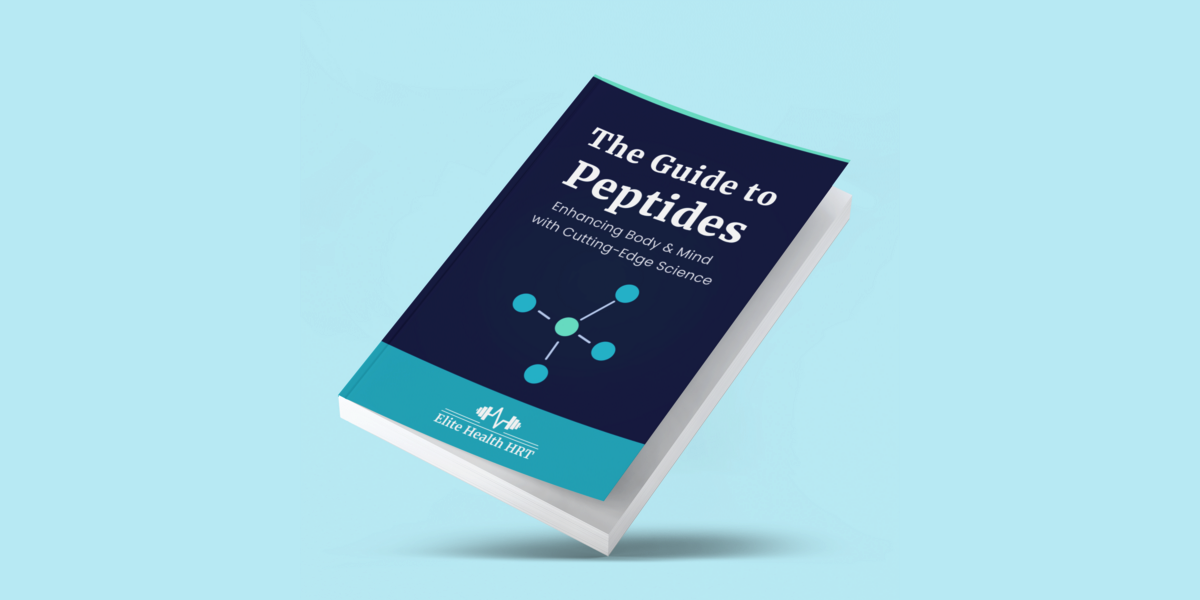
[Free Ebook] New to peptide therapy? Download our free guide to learn about the science behind it
Subscribe now to keep reading and get access to the full archive.