920 Woodstock Rd, Roswell, GA 30075
HEALTH TIPS & FAQ'S

Est. Reading Time: 4 Mins
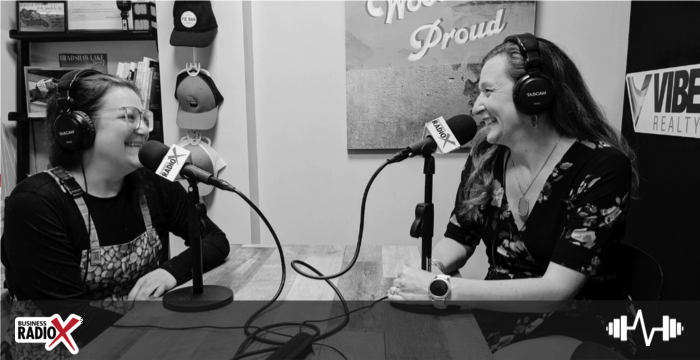
Elite Health HRT’s lead nurse practitioner, Kitty Houston, joined the Cherokee Business Radio X podcast for a nuanced discussion on the symptoms of hormone imbalance, hormone replacement therapy, and the widespread hormone decline amongst the American population.
Kitty also shares her experience as a medical professional in treating hormone imbalance for thousands of patients (including herself) over the years. She also describes her journey in opening up her practice with the opening of Elite Health HRT and shares more background on other treatments offered at our clinic.
If you’d like to book a free in-person consult with Kitty, you can use the link below to schedule a time.
If you’re trying to make sense of hormone imbalance, you probably have a few questions. Let’s talk through the common FAQs.
Q1. What are the symptoms of hormone imbalance?
Hormone imbalance can present a variety of different symptoms. Patients may notice fatigue, weight changes, low libido, mood swings, poor sleep, brain fog, and reduced muscle mass. As you might imagine, symptoms vary between men and women but they can appear gradually, making them easy to dismiss. Because these signs overlap with other conditions, testing and evaluation by a provider can help confirm whether hormones are the underlying cause.
Q2. What is hormone replacement therapy and how does it work?
Hormone replacement therapy, or HRT, restores hormones that have declined or fallen out of balance. This commonly refers to hormones such as estrogen, progesterone, or testosterone. By bringing levels back into a healthy range, it can help relieve symptoms like fatigue, low libido, and mood changes. At our clinics, treatments are tailored based on bloodwork and symptoms. A licensed medical provider monitors your progress.
Q3. Why are hormone levels declining across the population?
A number of modern lifestyle and environmental factors are contributing to earlier and more widespread hormone decline. Chronic stress, poor sleep, processed diets, and exposure to endocrine-disrupting chemicals can all affect hormone production. This is why some younger adults are prone to experiencing imbalances once associated with older age. Testing helps identify these changes so they can be addressed early.
Q4. What is a holistic approach to hormone health?
A holistic approach treats hormone health as part of your overall wellness rather than in isolation. It considers sleep, stress, nutrition, gut health, environmental exposures, and lifestyle alongside targeted therapies like HRT or peptides. The goal is addressing root causes, not just symptoms. Practitioners at Elite Health HRT work with patients to build a personalized plan that supports the whole body.
Q5. Can both men and women experience hormone imbalance?
Yes, both men and women can experience hormone imbalance at many life stages. Women may notice changes during perimenopause, postpartum, or with conditions like PCOS, while men often experience declining testosterone. Environmental and lifestyle factors affect both sexes, sometimes early in life. Testing and provider evaluation help identify the specific imbalance and appropriate treatment.
Q6. What is the Exploring Hormone Imbalance, HRT, and Holistic Health podcast about?
This episode features Kitty Houston, Elite Health HRT’s owner and lead nurse practitioner, discussing symptoms of hormone imbalance, hormone replacement therapy, and the widespread hormone decline seen across the population. She shares her clinical experience treating patients, her personal hormone journey, and why she founded the clinic. It offers an educational look at holistic hormone care.
Q7. Who is Kitty Houston at Elite Health HRT?
Kitty Houston is the owner and medical director for Elite Health HRT, and she founded the clinic after experiencing hormone imbalance herself. Over the years, she has treated many patients for hormonal imbalances and focuses on personalized, holistic care. Her background shapes the clinic’s approach, which combines hormone therapy with lifestyle and wellness support for men and women.
Q8. When should I see a provider about hormone imbalance?
Consider seeing a provider if you have ongoing fatigue, mood changes, low libido, weight changes, poor sleep, or brain fog that lifestyle changes have not resolved. Because these symptoms have many causes, testing helps confirm whether hormones are involved. Early evaluation allows for a personalized plan before symptoms significantly affect your quality of life.
Q9. Is hormone replacement therapy safe?
For appropriate candidates, hormone replacement therapy is generally considered safe when it is medically supervised, individualized, and monitored with regular bloodwork. A provider tailors your dosing and follows your response over time, adjusting as needed. Safety depends on proper evaluation and ongoing oversight, which is why professional guidance matters more than a one-size-fits-all approach.
Q10. Besides HRT, what other treatments support hormone and wellness health?
Beyond hormone replacement therapy, many clinics offer complementary options such as peptide therapy, medical weight loss support, nutritional guidance, and targeted supplementation. A holistic plan may combine several approaches based on your goals and labs. A provider can determine which combination best supports your energy, metabolism, and overall wellness for the long term.
Did you find this podcast helpful? Consider spreading the word!

What could pesticides, cosmetics, non-stick pans, and paper receipts possibly all have in common?

Completely avoiding contact with EDC's is difficult. Still, small changes can still boost overall health
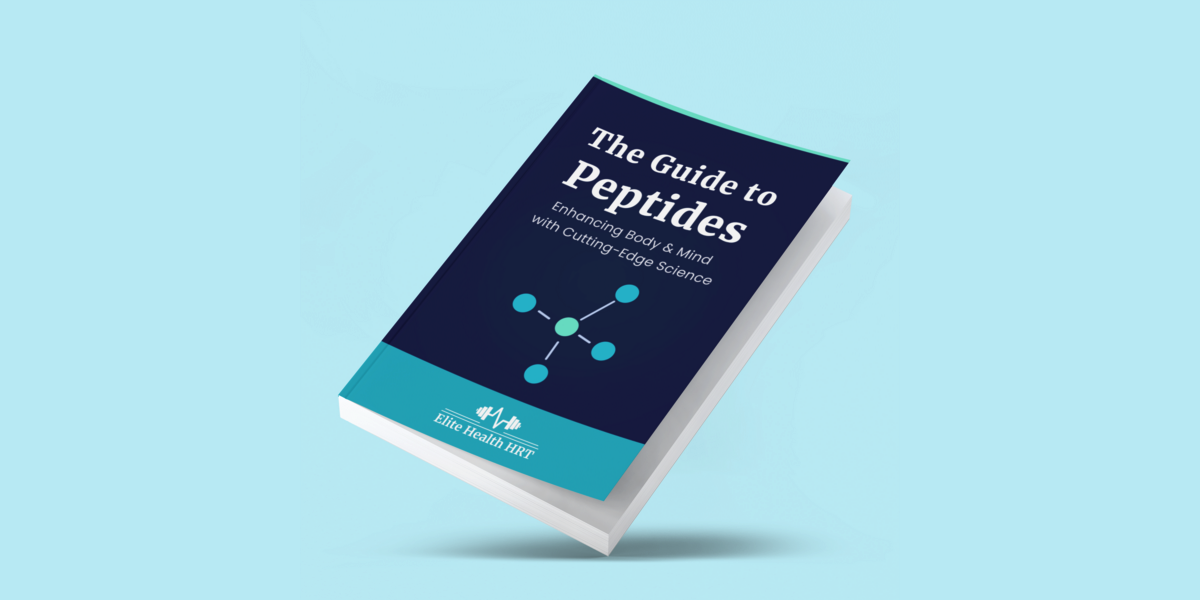
[Free Ebook] New to peptide therapy? Download our free guide to learn about the science behind it